Overview
A celebrated tiger reserve where forest, lakes and a hill fort share one landscape.
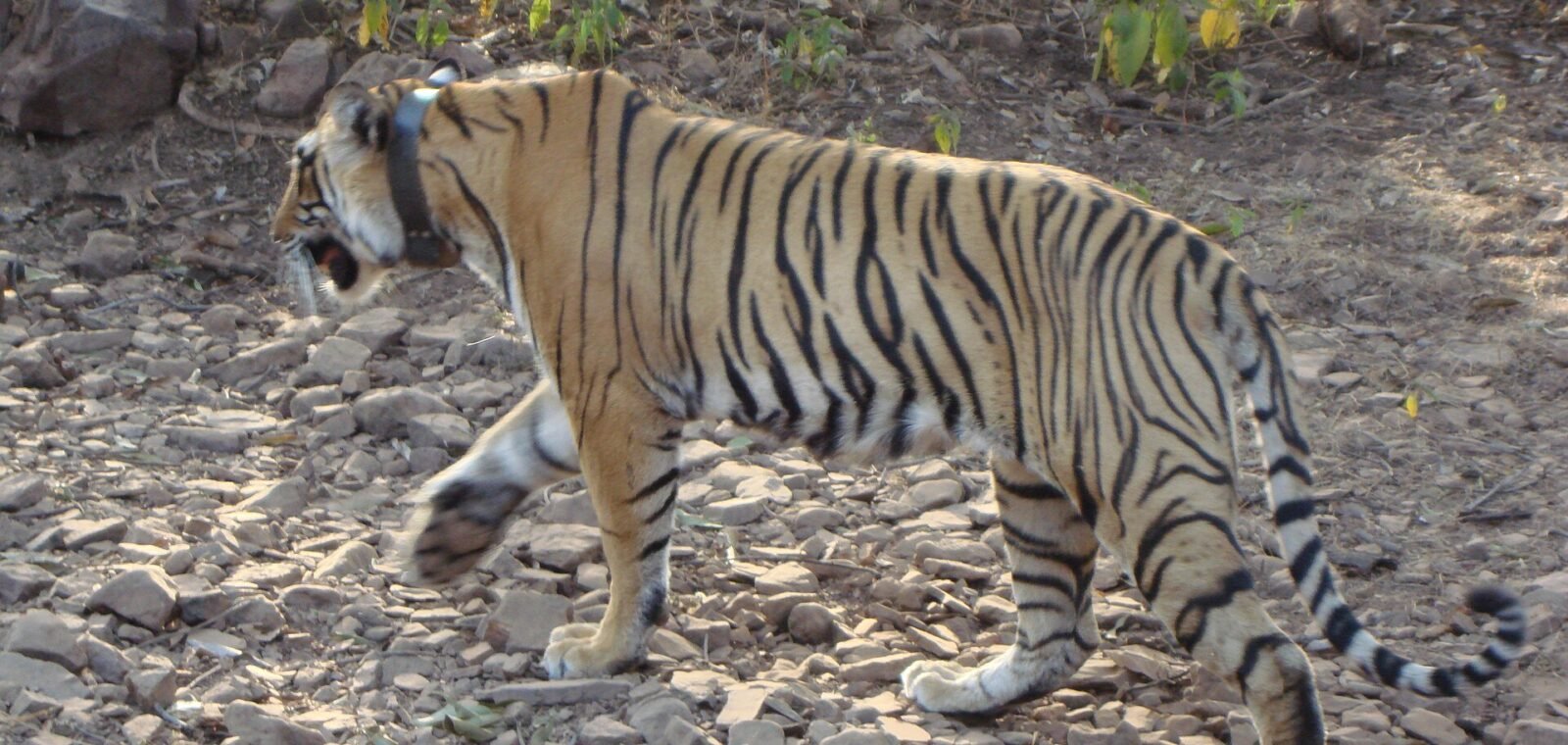
Ranthambore National Park and Tiger Reserve lies near Sawai Madhopur in Rajasthan, where dry deciduous forest, rocky ridges, lakes and historic ruins form one of India’s most recognisable wildlife landscapes. Tigers are the principal attraction, but the reserve supports a broader ecosystem of deer, antelope, crocodiles, monkeys, leopards, sloth bears and varied birdlife. Ranthambore Fort rises above the forest, adding a striking cultural layer.
The area was once associated with royal hunting and later became part of India’s protected-area and tiger-conservation network. Its historical landscape is much older than modern wildlife tourism: forts, temples, cenotaphs and abandoned structures remain within and around the reserve. This meeting of conservation and built heritage distinguishes Ranthambore from a safari park designed solely around animal viewing.
Safari routes pass through different habitat zones, and sightings vary with season, weather, animal movement and chance. Lakes and open clearings may provide long views, while forested sections reward attention to tracks, alarm calls and smaller species. A tiger sighting is never guaranteed and should not be treated as the only measure of a successful visit. Officially allocated vehicles, routes and guides are essential.
Ranthambore suits wildlife enthusiasts, photographers, families able to manage early starts and travellers interested in conservation. Advance booking is important during popular periods, and identity requirements, vehicle categories and zone allocation should be checked only through official systems. Dust, heat and cold mornings require suitable clothing. Visitors must follow silence, waste and wildlife-distance rules.
A stay of two or more nights allows more than one safari and reduces pressure to chase a single sighting. Sawai Madhopur is the practical rail and accommodation base; Jaipur is not the destination’s city. Predators, water bodies and medieval remains share the same rugged landscape, giving every safari a sense of both wilderness and history. Responsible expectations and official booking are central to preserving that experience. Visitors should also allow time for fort access and local traffic around popular safari departures.