Overview
The storied seat of the Peshwas in the historic heart of Pune.
Shaniwar Wada stands in central Pune as the best-known surviving symbol of the Peshwa era. Begun in the eighteenth century as the seat of the Peshwas, the fortified residence once combined administrative, ceremonial and domestic spaces at the centre of Maratha power. Today the complex is principally an archaeological ruin, yet its massive gateway, perimeter walls and excavated foundations still communicate the scale and political importance of the original establishment.
The residence developed as Pune grew into a major capital under the Peshwas. Court life, military administration and important political decisions were associated with the enclosure. A severe fire in 1828 destroyed much of the timber-built palace interior, leaving stone bases, walls and gates rather than intact royal apartments. Understanding that loss is essential: visitors are reading a ground plan and layered historical site, not entering a furnished palace.
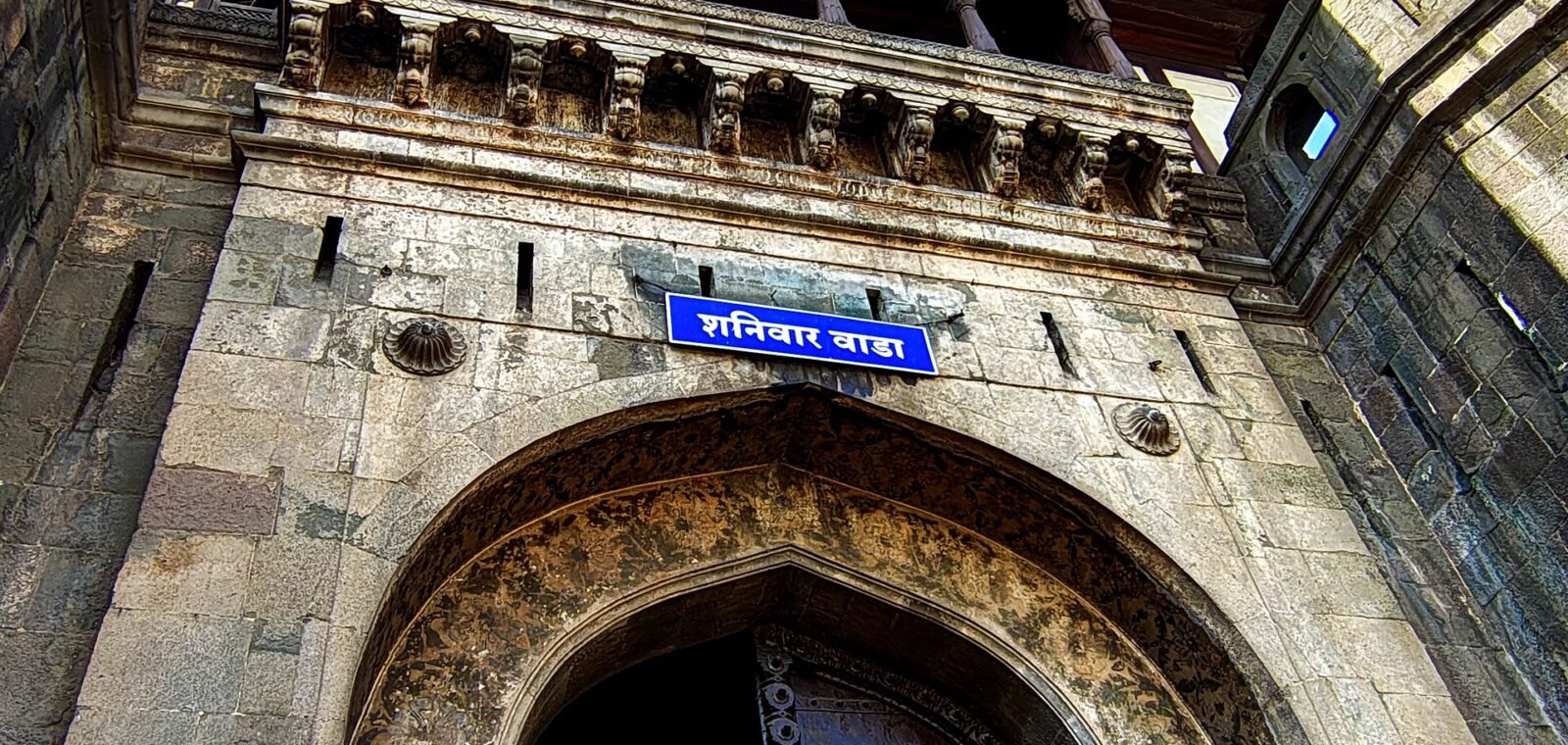
Delhi Darwaza provides the strongest architectural impression, with a tall defensive entrance designed to control movement into the compound. Inside, paths connect the remains of halls, courtyards, water features and garden spaces. Interpretation and a guide can help transform the low foundations into a clearer picture of how the palace functioned. The open grounds also provide useful perspectives on the fortification walls and the relationship between the Wada and the surrounding old city.
The site suits first-time visitors to Pune, history enthusiasts, students and families, though midday heat can make the exposed interior tiring. An hour or two is normally enough for a careful circuit. Visitors should verify current opening hours, ticketing and any evening programme before arrival, and should not rely on popular ghost stories as established history.
Shaniwar Wada is most rewarding as the starting point for exploring Pune’s historic core, including nearby lanes, temples and civic landmarks. The surviving walls and foundations may look incomplete, but they still bring together the rise of Peshwa Pune, the layout of a fortified residence and the vulnerability of timber architecture.