Overview
A seasonal salt-desert landscape reached through Dhordo.
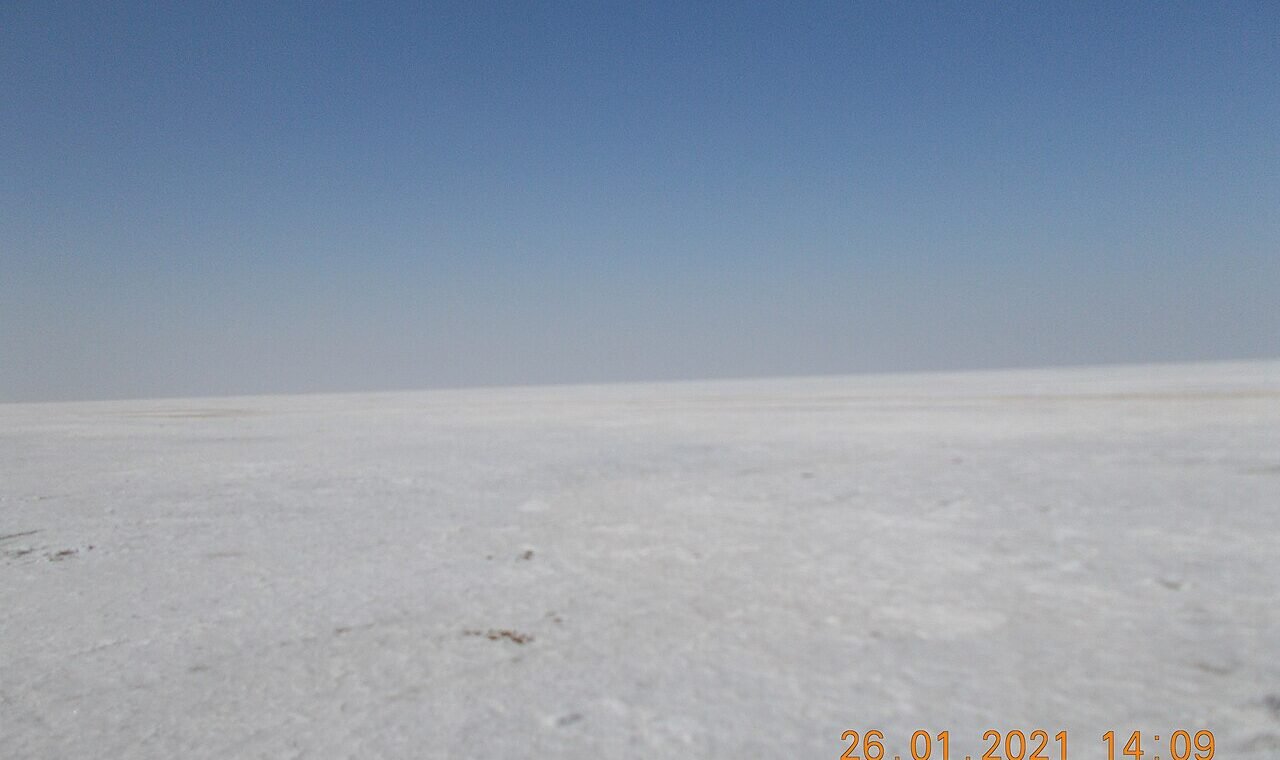
The White Rann near Dhordo is a seasonal salt landscape in Kutch, Gujarat, where a vast, flat horizon can appear almost white during the dry months. It forms part of the larger Great Rann of Kutch, a low-lying region shaped by salt, water and extreme seasonal change. Dhordo serves as a principal visitor gateway rather than defining the whole Rann.
The landscape has long been connected with pastoral communities, craft traditions and settlements adapted to an arid, saline environment. Modern tourism expanded through seasonal events and organized access, bringing tented accommodation, cultural programmes and markets to the Dhordo area. The White Rann should therefore be experienced alongside Kutch’s living culture, not reduced to an empty background for photographs.
Light and surface conditions create the main visual experience. Late afternoon, sunset and moonlit nights can change the salt’s colour and apparent texture, while wind and dust affect comfort. After rain or outside the main season, water and mud may replace the expected dry crust. Border-region permits or identity checks may apply, and access can be reorganized during major events.
The destination suits photographers, families, cultural travellers and visitors comfortable with long road journeys. Shade is limited on the salt flats, so sun protection, water and warm evening layers are useful. Visitors should stay within marked areas, follow local instructions and avoid driving onto sensitive surfaces. Festival prices and crowds can be substantially higher than at quieter times.
Dhordo works best within a multi-day Kutch itinerary that includes Bhuj, craft villages and other natural or archaeological sites. Three to five hours may cover the principal visitor area, excluding travel. The White Rann is defined by scale and seasonality, with climate continuously remaking the landscape. Confirm permits, event dates, road conditions and actual salt-flat access through official Gujarat tourism information before departure. Carrying water, sun protection and a warm evening layer helps visitors adapt to the exposed landscape.